How to Fix Frizzy Hair (2026) – Fast Fixes, a Routine That Works, and What to Skip

Quick answer
Learning how to fix frizzy hair starts with understanding why frizz happens. Frizz happens when the hair cuticle, the outermost layer of the hair shaft, lifts up. A lifted cuticle lets moisture from the air into the cortex, the protein core of the hair. The strand swells unevenly, bends and kinks, and pushes away from the strands around it. That is frizz. The fix is not one product. It is moisture plus gentle handling plus sealing the cuticle, done consistently. There is no permanent cure for naturally curly or wavy hair, only management. Salon keratin treatments reduce frizz for 3 to 5 months but fade and cost a few hundred dollars.
What causes frizzy hair
| Cause | What happens | Fix |
|---|---|---|
| Humidity | Dry, porous hair absorbs moisture from the air, strands swell unevenly | Anti-humidity serum or spray, seal with oil or a silicone-based product, leave-in conditioner |
| Damaged or lifted cuticle | Heat, bleach, and chemical treatments rough up the cuticle so it cannot lie flat | Deep conditioning masks, protein treatments for high-porosity hair, trims, less heat |
| Dryness | Hair lacks moisture, so the cuticle lifts to pull moisture from the air | Hydrating shampoo and conditioner, leave-in conditioner, hair masks, wash less often |
| Curly or wavy hair type | Every bend in a curl is a weak point where the cuticle sits slightly lifted, and natural oils cannot travel down the shaft easily | Curl-specific routine: apply product to wet hair, wide-tooth comb only when wet, diffuser, plopping |
| Heat styling | Flat irons and blow dryers strip moisture and damage the cuticle | Heat protectant every time, lowest effective heat setting, air dry when possible, cool shot at the end |
| Harsh shampoo and sulfates | Sodium lauryl sulfate and sodium laureth sulfate strip natural oils | Sulfate-free shampoo, shampoo the scalp only and let it run down the lengths |
| Overwashing | Frequent washing strips oils and raises the cuticle | Shampoo every other day, or 1 to 2 times a week for dry or curly hair; co-wash or rinse between washes |
| Towel drying | Rough terry cloth creates friction that roughs up the cuticle | Microfiber towel or cotton T-shirt, blot and squeeze, never rub; plopping for curls |
| Brushing dry hair | Breaks up the curl pattern, creates static and flyaways, snaps strands | Detangle only when wet with a wide-tooth comb or detangling brush, with conditioner in |
| Hard water | Calcium and magnesium deposits leave hair rough, dull, and coated | Clarifying shampoo occasionally, diluted acidic rinse, shower filter |
| Product buildup | Silicones and heavy products coat the hair and block moisture from getting in | Clarifying shampoo once in a while, lighter products for fine hair |
| Split ends | Split ends travel up the shaft, causing chronic frizz that no product can seal | Regular trims every 6 to 8 weeks; no product truly repairs a split end |
| Friction while sleeping | A cotton pillowcase rubs hair all night, causing breakage and frizz | Silk or satin pillowcase, silk scarf or bonnet, loose braid at night |
| Static | Dry air and synthetic fabrics, worse in winter | Leave-in conditioner, light oil, avoid over-brushing |
| Genetics | Hair texture, thickness, and porosity are inherited | Management, not cure: a routine matched to your hair type |
Which frizz do you have?
Not all frizz is the same, and the fix depends on which kind you have.
- Humidity frizz: your hair is smooth indoors but puffs up on damp days, in summer, or after rain. The cuticle is mostly healthy; it just needs sealing. Anti-humidity serum, leave-in conditioner, and oil will fix it.
- Damage frizz: your hair frizzes every day, even indoors, and feels rough, dry, or straw-like. The cuticle is broken from heat, bleach, or chemical treatments. Sealing products alone will not work. You need deep conditioning, protein treatments for high-porosity hair, trims, and time.
- Flyaways: individual short or broken hairs sticking up, often from breakage or new growth. Frizz is a whole-head texture problem; flyaways are single hairs. They need smoothing or time, not a moisture routine.
Ask yourself: does it frizz only on humid days, or every day even indoors? Humid days only means humidity frizz. Every day means damage frizz, and the routine below matters more than any single product.
How to fix frizzy hair fast (5 minutes)
These work today, in minutes, but they are temporary. They smooth the surface; they do not repair the cuticle.
- Smooth a pea-sized amount of lightweight oil or serum over the surface of dry hair, ends first. It works instantly.
- Spray leave-in conditioner or a hydrating spray on damp or dry hair to refresh it between washes.
- Smooth frizz down with a small amount of cream or wax, or pin hair back, or tie it up.
- Finish with a cold or cool water rinse after conditioning to help the cuticle lie flat.
- Blow dry on cool with a diffuser, or finish a blowout with a cool blast.

The long-term routine
Quick fixes fade by the next wash. This routine is what actually keeps frizz down over weeks.
Wash day
- Wash with a sulfate-free moisturizing shampoo. Massage shampoo into the scalp and let it run down the strands; do not scrub the lengths.
- Use conditioner after every wash and leave it in for a few minutes.
- Wash less often: every other day, or 1 to 2 times a week for dry or curly hair. Rinse or co-wash between washes.
- Use lukewarm water, not hot water, and finish with a cool rinse.
- Use a clarifying shampoo occasionally to remove buildup and hard-water minerals.
Drying
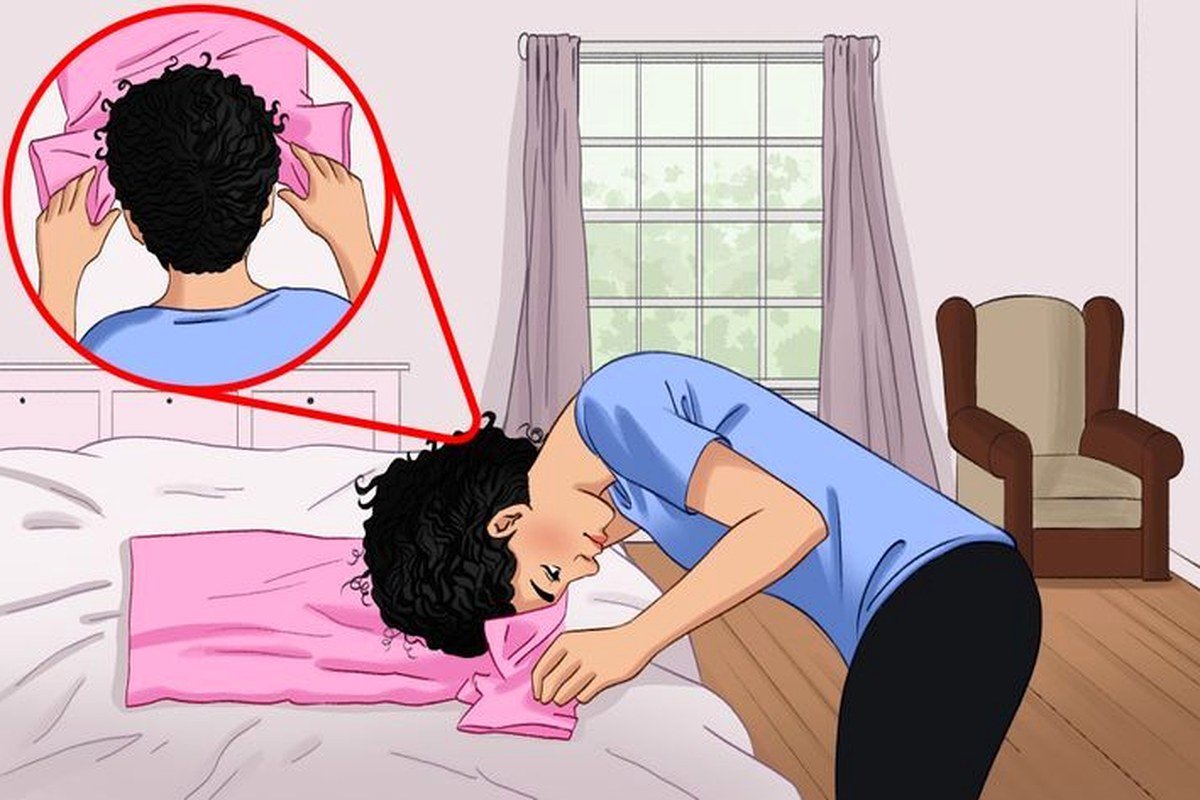
- Blot and squeeze with a microfiber towel or a cotton T-shirt. Never rub with a rough terry cloth towel.
- Detangle only when wet, with a wide-tooth comb or a detangling brush, with conditioner in.
- Apply styling products to soaking wet hair, not damp hair, so every strand is coated evenly. This matters most for curls.
- Air dry when possible, or use a diffuser on low heat. For curls, try plopping: wrap wet hair in a T-shirt to dry without friction.
Styling
- Use heat protectant before any hot tool, and use the lowest heat setting that works.
- Finish with a light oil or serum to seal the cuticle.
- Use an anti-humidity styling product in summer or humid climates.
Nighttime
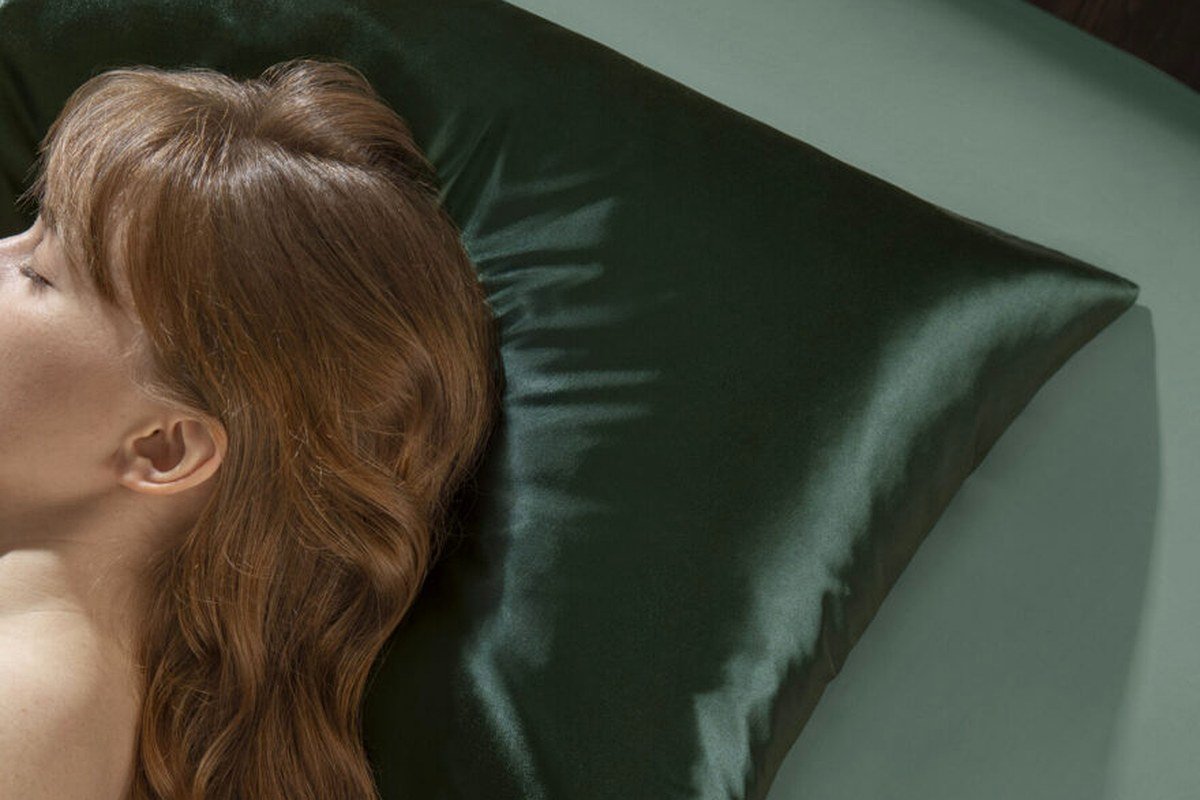
- Sleep on a silk or satin pillowcase, or wear a silk scarf or bonnet.
- Put hair in a loose braid at night. Avoid tight buns and thin elastic ties, which cause friction and breakage.
Weekly and longer term
- Use a deep conditioning mask once a week. Look for keratin, amino acids, and natural oils.
- Get regular trims every 6 to 8 weeks to remove split ends.
- In hard-water areas, consider a shower filter.
Fixes by hair type
| Hair type | Frizz pattern | What works best | What to avoid |
|---|---|---|---|
| Curly / coily | Most frizz-prone; cuticle lifted at every bend; oils cannot travel down the shaft | Rich creams and leave-ins, apply product to soaking wet hair, diffuser on low, plopping with a T-shirt, pre-cleanse detangler | Brushing dry hair (breaks the curl pattern into a halo of frizz), terry towels, heavy silicones without clarifying |
| Wavy | Frizz at the crown and ends; waves drop out in humidity | Lightweight leave-in, mousse or curl cream, air dry or diffuser, anti-humidity spray | Heavy butters that weigh waves down, over-brushing |
| Straight | Frizz shows as flyaways and puffiness in humidity; less overall frizz | Lightweight serums and sprays, heat protectant, cool rinse, silk pillowcase | Heavy oils and thick creams (hair goes limp and greasy), over-conditioning the roots |
| Fine | Frizz plus flatness; products easily weigh it down | Spray leave-ins, lightweight silicone serums, volumizing anti-frizz products | Heavy oils, shea butter, thick creams, silicone buildup without clarifying |
| Thick / coarse | Frizz plus volume; can handle richer products | Rich creams, oils (argan, coconut), masks, keratin treatments | Skipping conditioner, rough towel drying, high heat without protectant |
| Color-treated / bleached | High porosity, cuticle damaged by chemicals, frizz plus dryness | Protein treatments, bond builders, sulfate-free color-safe products, masks | Hot water, frequent washing, ACV rinses too often (can fade semi-permanent color) |
| Damaged / heat-styled | Breakage frizz, split ends, straw-like texture | Protein and moisture balance, trims, a heat break, bond repair, masks | More heat to “smooth” it, skipping heat protectant, overusing protein (can turn brittle) |
There is no single best product. The right fix depends on hair type, frizz cause, and porosity. Fine straight hair needs light products; thick curly hair needs rich ones.
Ingredients that help and ingredients to avoid
Ingredients that help
- Humectants (attract moisture): glycerin, hyaluronic acid, honey, aloe vera, panthenol (vitamin B5). Note: in very humid weather humectants can pull too much moisture in and worsen frizz unless sealed with an emollient or occlusive. In very dry air they can pull moisture out of the hair.
- Emollients (smooth the cuticle, add shine): argan oil, coconut oil, jojoba oil, shea butter, cocoa butter, avocado oil, mango seed butter.
- Occlusives (seal moisture in, block humidity): silicones such as dimethicone and amodimethicone, beeswax, mineral oil. Silicones are the most effective anti-frizz sealers but can build up.
- Proteins (strengthen, repair high-porosity hair): hydrolyzed keratin, wheat protein, amino acids, bond builders.
- Ceramides: help restore the hair surface.
Ingredients to avoid or use carefully
- Sulfates (sodium lauryl sulfate, sodium laureth sulfate): harsh detergents that strip natural oils. Choose sulfate-free shampoo.
- Drying alcohols (SD alcohol, alcohol denat., propanol): dry hair out. Not all alcohols are bad; fatty alcohols like cetyl and stearyl alcohol are moisturizing.
- Non-water-soluble silicones used constantly without clarifying: buildup blocks moisture and weighs fine hair down. Water-soluble silicones are a lighter option.
- Parabens: the harm is debated, but many frizz-care buyers prefer to avoid them.
Silicones: the honest verdict
Silicones are not bad for frizzy hair; they are a tool. Pros: best instant smoothing and shine, heat protection, humidity barrier, detangling. Cons: buildup over time, can block moisture from entering, can weigh down fine hair, need a clarifying shampoo occasionally. Use them, and clarify once in a while.
Budget vs premium products
Drugstore options often match premium ones on ingredients; the difference is usually fragrance, texture, and marketing, not frizz performance.
| Budget / drugstore | Premium | |
|---|---|---|
| Shampoo and conditioner | Maui Moisture Coconut Milk shampoo and conditioner | Kerastase Discipline range |
| Leave-in | Cantu Argan Oil Leave-In Conditioning Repair Cream | Briogeo Farewell Frizz Rosarco Milk |
| Serum or oil | Garnier Fructis Sleek and Shine Anti-Frizz Serum | Kerastase Discipline Oleo-Relax Serum |
| Treatment | Pantene Miracle Rescue Intense Rescue Shots | Olaplex No. 6 Bond Smoother |
| Curl product | SheaMoisture Coconut and Hibiscus Frizz-Free Curl Mousse | Living Proof No Frizz Humidity Shield |
| Touch-up | John Frieda Secret Weapon Touch-Up Creme | Aveda Smooth Infusion Style-Prep Smoother |
Keratin and salon smoothing treatments
A professional keratin treatment coats the hair shaft and smooths the cuticle, reducing frizz for 3 to 5 months (some salons quote 10 to 12 weeks), then it fades gradually. US professional treatments typically cost $250 to $500, with some sources citing $300 to $800; express versions start around $100 to $175.
Aftercare matters: use sulfate-free and salt-free products, do not wash for 48 hours after treatment, and know that chlorine and salt water shorten its life. Some formulas contain or release formaldehyde when heated; check labels for formaldehyde, formalin, or methylene glycol. Keratin loosens curl, so clients who want to keep their full curl pattern should ask first. Keratin is not Japanese straightening, which is permanent on treated hair, and not a blowout, which lasts days.
Home remedies: what works, what only coats, what to skip
Home remedies are widely recommended, but direct scientific evidence on hair is thin. Be honest about that.
- Apple cider vinegar rinse: the real mechanism is acidity (pH around 2 to 3) briefly flattening the cuticle and loosening some hard-water mineral film. The effect is temporary, does nothing a conditioner cannot do, and is not a real clarifier or repair treatment. If you try it, dilute well (about 1 tablespoon per cup of water), once or twice a week at most. It can dull or fade color-treated hair.
- Aloe vera: moisturizing and soothing, but claims about repairing chemical damage are unproven.
- Coconut oil: one of the few oils that penetrates the hair shaft and pre-wash oiling reduces protein loss. But on low-porosity or protein-sensitive hair it can make hair feel stiff and straw-like, and it is heavy on fine hair.
- Banana, egg, curd, and rice water masks: mostly leave a surface film that reads as smooth and washes out. Egg can set in warm water. Rice water can make hair feel brittle with repeat use. Nothing in this group closes a lifted cuticle permanently.
- Honey and glycerin: humectants that backfire in very humid air and in very dry air.
Mistakes that make frizz worse
- Brushing dry curly or wavy hair: destroys the curl pattern and creates a frizzy halo. Detangle only when wet.
- Hot water washes: opens the cuticle, strips natural oils, and increases moisture loss and breakage. Use lukewarm water and a cool rinse at the end.
- Rubbing hair with a rough terry cloth towel: friction roughs the cuticle and snaps wet hair, which is at its most fragile.
- Using heat tools without heat protectant, or on the highest setting by default.
- Skipping conditioner, or shampooing the lengths instead of just the scalp.
- Overusing silicones without ever clarifying: buildup blocks moisture and weighs hair down, especially fine hair.
- Overdoing protein treatments: too much protein makes hair stiff and brittle, especially low-porosity hair.
- Leaving hair wet for a long time: over-moisturized hair can become brittle. Air dry is good, but do not leave hair sopping wet for hours.
- Tight buns and thin elastic ties: friction and breakage. Use loose braids and satin scrunchies at night.
- Expecting a single wash or product to permanently fix frizz: frizz management is a routine, not a one-time cure.
Related reading
- How to Fix Windows Update Error
- How to Fix Sound Not Working on Windows
- How to Fix Slow Startup Windows
- How to Fix a Stripped Screw Hole in Wood
- How to Fix Squeaky Brakes
- How to Fix a Sagging Door
FAQs
Why is my hair so frizzy?
Frizz happens when the hair cuticle lifts and lets moisture into the cortex, so strands swell unevenly and push apart. The causes are humidity, dryness, damage, heat styling, harsh shampoo, overwashing, rough towel drying, and hair type. Curly and wavy hair is naturally more frizz-prone.
How do I stop frizzy hair?
Use moisture plus gentle handling plus sealing, consistently. Wash with sulfate-free shampoo, condition every wash, detangle only when wet, dry with a microfiber towel or T-shirt, apply product to soaking wet hair, use heat protectant, and seal with oil or serum. There is no permanent cure for naturally curly hair, only management.
What causes frizzy hair?
Humidity, a damaged or lifted cuticle, dryness, curly or wavy hair type, heat styling, sulfates, overwashing, towel drying, brushing dry hair, hard water, product buildup, split ends, friction while sleeping, static, and genetics.
Is frizz the same as dry hair?
Not always. Humidity, static, and damage can cause frizz even when hair does not feel dry. Dry hair is more likely to frizz, but they are different problems.
How to fix frizzy hair fast?
Smooth a pea-sized amount of lightweight oil or serum over dry hair, ends first. Spray leave-in conditioner to refresh it. Smooth it down with a small amount of cream or wax, or pin it back. These work in minutes but are temporary.
How to fix frizzy hair overnight?
Apply a leave-in conditioner or a small amount of oil, put hair in a loose braid, and sleep on a silk or satin pillowcase or with a silk bonnet. You will wake up with smoother hair, but overnight fixes are temporary, not a cure.
How to fix frizzy hair after showering?
Do not rub with a towel. Blot with a microfiber towel or T-shirt, detangle with a wide-tooth comb while wet, apply leave-in conditioner and styling product to soaking wet hair, then air dry or diffuse on low heat.
How to fix frizzy hair without heat?
Air dry or diffuse on cool, apply product to soaking wet hair, use a microfiber towel, sleep on silk, and seal with oil or serum. No heat is needed for smooth hair if the routine is right.
Why is my hair frizzy after washing?
Hot water, harsh shampoo, skipping conditioner, rough towel drying, and brushing while damp can all cause post-wash frizz. Wash with lukewarm water, condition every time, blot instead of rubbing, and detangle only when wet with conditioner in.
Why is my hair frizzy on top?
The crown gets the most sun, heat, and friction from pillowcases and hats, and new growth there is shorter and lighter, so it sticks up more. Use a light serum on the crown, sleep on silk, and avoid over-brushing the top layer.
How to fix frizzy curly hair?
Apply product to soaking wet hair, never brush it dry, detangle only when wet with a wide-tooth comb, use a diffuser on low heat or air dry, try plopping with a T-shirt, and use rich creams and leave-ins. Brushing dry curly hair turns it into a halo of frizz.
How to fix frizzy hair in humidity?
Seal the cuticle before going out: leave-in conditioner, then an anti-humidity serum or spray, then a light oil. Silicones are the most effective humidity barrier. Avoid humectants like glycerin in very humid weather unless they are sealed in.
Does keratin treatment fix frizzy hair?
It reduces frizz for 3 to 5 months and costs $250 to $500 typically. It is not permanent, it loosens curl, and some formulas release formaldehyde when heated, so check labels. Aftercare needs sulfate-free products and no washing for 48 hours.
Are silicones bad for frizzy hair?
No. Silicones are the most effective instant smoothing and humidity barrier for frizzy hair. They can build up over time and weigh down fine hair, so clarify occasionally. They are a tool, not a villain.
What shampoo is best for frizzy hair?
A sulfate-free moisturizing shampoo. Shampoo the scalp only and let it run down the lengths. For dry or curly hair, wash every other day or 1 to 2 times a week, not daily.
How to fix frizzy hair naturally?
Use a sulfate-free shampoo, condition every wash, dry with a microfiber towel or T-shirt, detangle only when wet, use a little argan or coconut oil, sleep on silk, and trim split ends. Home remedies like apple cider vinegar rinses and aloe vera have limited evidence and only give temporary smoothing.
Why is my hair frizzy even after conditioning?
Conditioner alone does not seal the cuticle if the cause is damage, split ends, hard water buildup, or silicone buildup blocking moisture. Try a clarifying shampoo, a deep conditioning mask, a trim, and sealing with oil or serum after conditioning.
Sources
- Medical News Today, “Frizzy hair: Causes, treating, prevention, and more”: https://www.medicalnewstoday.com/articles/how-can-i-stop-my-hair-from-frizzing
- Davines, “How to Fix Frizzy Hair: 13 Tips for Smooth, Frizz-Free Strands”: https://us.davines.com/blogs/news/how-to-fix-frizzy-hair
- Redken, “Ultimate Guide to Smoothing Frizzy Hair”: https://www.redken.com/blog/how-to-deal-with-frizzy-hair-top-frizz-questions-answered.html
- Paul Mitchell, “How To Fix Frizzy Hair”: https://www.paulmitchell.com/blogs/inspiration/how-to-fix-frizzy-hair
- StyleSeat, “How to Get Rid of Frizzy Hair: 28 Expert Tips”: https://www.styleseat.com/blog/how-to-get-rid-of-frizzy-hair/
- Bustle, “The 11 Best Drugstore Products For Frizzy Hair”: https://www.bustle.com/style/best-drugstore-products-for-frizzy-hair
- HealthBeautify, “Best Moisturizer for Frizzy Hair”: https://healthbeautify.com/article/best-moisturizer-for-frizzy-hair-the-ultimate-guide-to-smooth-hydrated-locks-1780918373082-99u67/
- Acibadem International, “How to Fix Frizzy Hair: The Science of Smoother Strands”: https://acibademinternational.com/blog/how-to-fix-frizzy-hair-the-science-of-smoother-strands/
- Neemyukt, “Home Remedies for Frizzy Hair: Which Ones Do Something, Which Only Coat”: https://neemyukt.com/blog/home-remedies-for-frizzy-hair-which-ones-do-something-which-only-coat/
- The Mestiza Muse, “Apple Cider Vinegar Hair Rinse: Should You Do It?”: https://themestizamuse.com/apple-cider-vinegar-hair-rinse-should-you-do-it/
Table Of Content