
Lifestyle Modification (2026) – What It Really Means, the Evidence, and a 30-Day Plan

Quick answer
Lifestyle modification means changing daily habits in a structured way to prevent or manage disease: eating better, moving more, sleeping enough, managing stress, not smoking, and drinking less alcohol. Doctors use the term for the first-line treatment of type 2 diabetes, heart disease, high blood pressure, obesity, and metabolic syndrome. The evidence is unusually strong: in the Diabetes Prevention Program trial, a lifestyle program cut new cases of type 2 diabetes by 58 percent compared with a placebo, and the Mediterranean diet in the PREDIMED trial cut major cardiovascular events by about 30 percent. The hard part is not knowing what to do. It is sticking to it. This article covers both sides: what the clinical evidence says, and how to actually change habits so they last, with a week by week 30-day plan.
What lifestyle modification means in medicine
The definition
Lifestyle modification is the process of gradually changing daily habits such as diet, physical activity, and sleep to prevent and manage diseases such as obesity, diabetes, and hypertension. In medical literature it is described as a combination of diet, physical activity, and behavioral strategies, and it is the accepted first-line treatment for obesity and the cornerstone of type 2 diabetes management. It is reviewed at each clinic visit for people with type 2 diabetes, and it consists of medical nutrition therapy, physical activity and exercise, and avoidance of smoking.
Lifestyle medicine is the related medical specialty. The American College of Lifestyle Medicine defines it as a medical specialty that uses therapeutic lifestyle interventions as a primary way to treat chronic conditions, including cardiovascular disease, type 2 diabetes, and obesity. Cleveland Clinic describes lifestyle medicine as an evidence-based practice that helps people improve health and quality of life by adopting and sustaining lifestyle behaviors.
The six pillars
The American College of Lifestyle Medicine lists six pillars of lifestyle medicine:
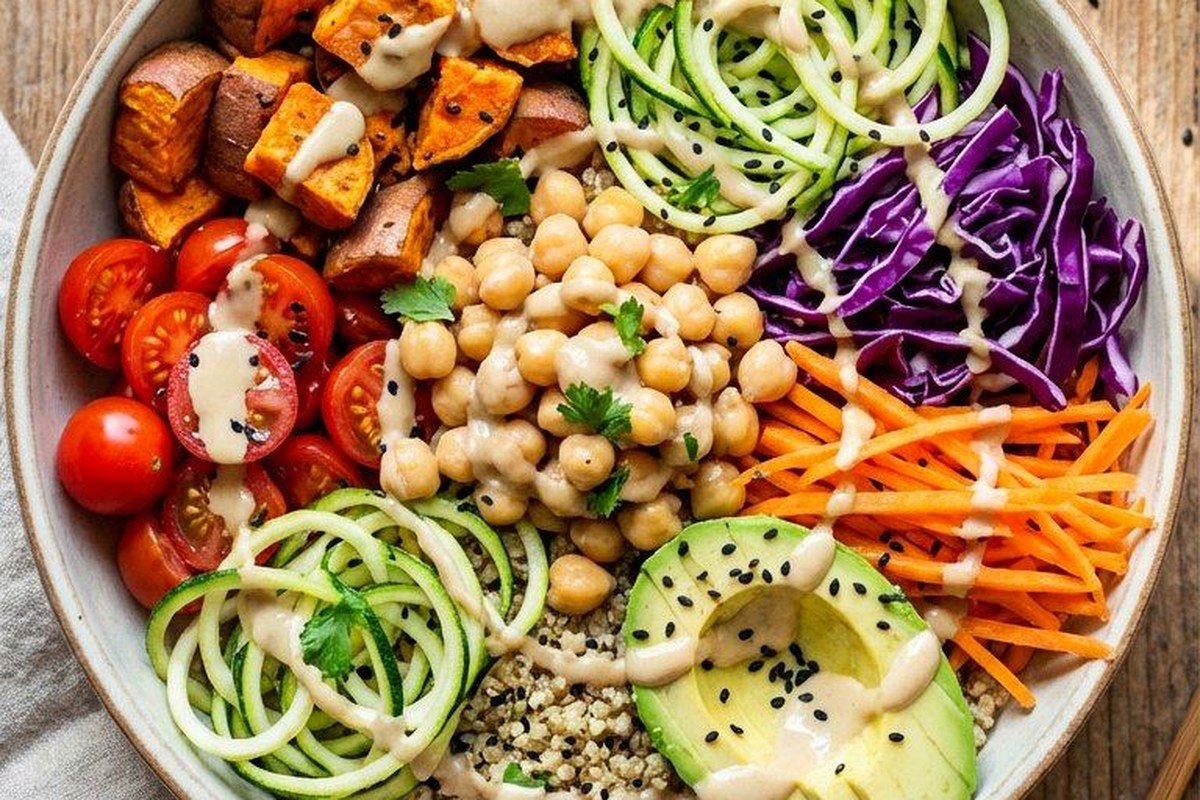
- Nutrition: a diet of minimally processed fruits, vegetables, whole grains, legumes, nuts, and seeds. A plant-based diet low in added sugar, sodium, and processed ingredients supports disease prevention and treatment.
- Physical activity: 150 minutes per week of moderate-intensity activity and two or more strength training sessions per week.
- Restorative sleep: about eight hours a night for most adults, with good sleep hygiene.
- Stress management: spending time in nature, meditation and mindfulness, less screen time, and better exercise, sleep, and nutrition. The pillars are connected, so improving one helps the others.
- Social connection: positive social connections are associated with better health outcomes.
- Avoidance of risky substances: not smoking and limiting alcohol.
Which conditions it helps
Cleveland Clinic lists the conditions lifestyle modification can help prevent or manage: obesity, type 2 diabetes, high blood pressure, high cholesterol, non-alcoholic fatty liver disease, metabolic syndrome, coronary artery disease, lifestyle-associated cancers (for example prostate and breast), osteoarthritis, chronic pain, infertility, chronic autoimmune diseases, and chronic psychological stress.
Be clear about what lifestyle modification can and cannot do. It can prevent, delay, and help manage these conditions. It is not a cure, and it does not replace medication for everyone. A lifestyle medicine physician complements, not replaces, the care a person receives from a primary care provider or specialist.
The stages of change
The National Institutes of Health describes four stages of making lifestyle changes:
- Contemplation: considering a change, for example because a doctor suggested a more balanced diet.
- Preparation: deciding to change, setting a goal, and planning how to do it.
- Action: implementing the new behavior, for example walking 30 minutes daily.
- Maintenance: doing the new behavior regularly for more than six months, until it feels like a habit.
During each stage, roadblocks are normal. It can take a few months for new habits to feel automatic, and this article says that plainly.
The clinical evidence: the trials that matter
Every number below comes from a named trial or source, presented with its context, not as a stand-alone promise.
The Diabetes Prevention Program (DPP)
The strongest single piece of evidence for lifestyle modification.
- The DPP was a randomized controlled trial at 27 clinical centers in the United States, run from 1996 to 2001, with 3,234 participants who had impaired glucose tolerance and a body mass index of 24 or higher (22 or higher for Asian Americans).
- The lifestyle intervention had two goals: at least 7 percent weight loss and at least 150 minutes per week of physical activity similar in intensity to brisk walking.
- After an average of about 2.8 years, the lifestyle group lowered their chances of developing type 2 diabetes by 58 percent compared with the placebo group. The metformin group lowered their chances by 31 percent compared with placebo.
- The effect was largest in participants aged 60 and older, who lowered their chances by 71 percent.
- About 5 percent of lifestyle participants developed diabetes each year during the study, compared with 11 percent of placebo participants.
- At 10-year follow-up, diabetes incidence was reduced by 34 percent in the lifestyle group compared with placebo, and participants developed diabetes about 4 years later on average.
- At 21 years of median total follow-up, cumulative diabetes incidence was reduced by 24 percent in the original lifestyle group, with a median increase in diabetes-free survival of 3.5 years per person.
Present the 58 percent figure correctly: it is the reduction in new diabetes cases in the lifestyle group compared with placebo, over about 2.8 years, in people already at high risk. It is not a promise that any individual will cut their risk by 58 percent.
The Finnish Diabetes Prevention Study
A trial of 522 overweight people with impaired glucose tolerance in Finland. A lifestyle intervention designed to produce weight loss, improve diet, and increase physical activity reduced the risk of diabetes by 58 percent, the same headline figure as the DPP, in an independent population. This matters because it shows the DPP result was not a one-off.
The Da Qing study
A Chinese trial that compared diet, exercise, and diet plus exercise with a no-treatment control group. All three lifestyle approaches reduced the risk of developing diabetes by 31 to 46 percent. Diet alone and exercise alone each helped, and the combination helped most.
PREDIMED: the Mediterranean diet trial
- PREDIMED was a multicenter randomized trial in Spain that enrolled 7,447 men and women aged 55 to 80 at high cardiovascular risk, with no established cardiovascular disease.
- Participants were assigned to a Mediterranean diet supplemented with extra-virgin olive oil, a Mediterranean diet supplemented with mixed nuts (30 g per day), or advice to follow a low-fat diet. There was no calorie restriction and no special exercise intervention.
- After a median of 4.8 years, 288 major cardiovascular events occurred (heart attack, stroke, or death from cardiovascular causes). Both Mediterranean diet groups reduced the risk of major cardiovascular events by about 30 percent compared with the control group.
- The reduction was particularly strong for stroke, at about 50 percent according to the American College of Cardiology summary.
- The Mediterranean diet plus extra-virgin olive oil also reduced new cases of type 2 diabetes, with a hazard ratio of 0.60 among participants without diabetes at the start.
- The trial was stopped early, at 4.8 years, because an interim analysis showed a clear benefit.
Honest limits: the trial was conducted in Spain, where participants were already familiar with a Mediterranean dietary pattern, so results may not generalize perfectly to other populations. The control group received less intensive dietary counseling than the intervention groups, which is a known limitation.
The DASH trial: diet and blood pressure
- The Dietary Approaches to Stop Hypertension (DASH) trial was a randomized controlled feeding study at four academic medical centers, with 459 adults whose diastolic blood pressure was 80 to 95 mm Hg and systolic blood pressure was under 160 mm Hg.
- The combination diet (rich in fruits, vegetables, and low-fat dairy, with reduced saturated and total fat) lowered systolic blood pressure by 5.5 mm Hg and diastolic blood pressure by 3.0 mm Hg more than a control diet.
- A fruits-and-vegetables diet alone also helped, but less: systolic down 2.8 mm Hg, diastolic down 1.1 mm Hg.
- In the subgroup of 133 participants with hypertension (systolic 140 to 159 or diastolic 90 to 95), the combination diet lowered systolic blood pressure by 11.4 mm Hg and diastolic by 5.5 mm Hg. Blood pressure changes were evident within two weeks. After eight weeks, 70 percent of participants on the combination diet had normal blood pressure, compared with 45 percent on the fruits-and-vegetables diet and 23 percent on the control diet.
- The effect was larger in African American participants (systolic down 6.8 mm Hg) than in white participants (down 3.0 mm Hg), and larger in hypertensive than non-hypertensive participants.
DASH plus low sodium
A later trial (Juraschek and colleagues, 2017) combined the DASH diet with a low-sodium diet in 412 adults with prehypertension or stage 1 high blood pressure. The combination lowered systolic blood pressure substantially, especially in people with higher starting readings. In participants with a baseline systolic blood pressure of 150 or higher, the low-sodium DASH diet produced an average reduction of 21 mm Hg. This is a large effect, comparable to some blood pressure medications, but it was in people with the highest starting blood pressure, not in everyone.
The Ornish Lifestyle Heart Trial
An older but famous trial. Patients with moderate to severe coronary artery disease were assigned to intensive lifestyle change (a 10 percent fat whole-foods vegetarian diet, moderate aerobic exercise such as walking, stress management training, smoking cessation, and group psychosocial support) versus usual care. The trial reported regression of coronary artery narrowing in the lifestyle group. Present this carefully: it was a small trial, and the diet was very strict, so it is evidence that intensive lifestyle change can reverse some heart disease markers, not proof that a moderate version will do the same.
Diet: what actually works
The two best-studied eating patterns
Mediterranean diet. Emphasizes vegetables, fruits, whole grains, legumes, nuts, olive oil, and fish, with moderate dairy and poultry and little red meat, processed food, or added sugar. Evidence: PREDIMED cut major cardiovascular events by about 30 percent in high-risk people, with no calorie restriction. It is the only large randomized trial to test an intensive Mediterranean diet against hard clinical outcomes.
DASH diet. Emphasizes fruits, vegetables, whole grains, low-fat or fat-free dairy, fish, poultry, beans, seeds, and nuts, with less red meat, sweets, and sugar-containing drinks, and less sodium. Evidence: the DASH trial lowered blood pressure in eight weeks, with the biggest effect in people who already had hypertension.
Both diets share the same core: mostly whole foods, plenty of plants, healthy fats, and little processed food. The pattern matters more than the brand name.
Practical diet changes
- Eat more vegetables, fruits, whole grains, legumes, nuts, and seeds.
- Choose whole foods over highly processed foods.
- Reduce added sugar, especially sugary drinks.
- Reduce sodium: cook more at home, check labels, and use herbs and spices instead of salt.
- Control portions: use a smaller plate, eat slowly, and stop when comfortably full rather than stuffed.
- Drink water instead of sugary drinks.
- Eat protein at each meal, which helps with fullness and with preserving muscle during weight loss.
Honest limits
- No single diet works for everyone. Cultural preferences, budgets, allergies, and medical conditions all matter.
- Crash diets fail. Very low calorie diets produce fast weight loss, mostly water and muscle at first, and most people regain the weight.
- The DASH and PREDIMED trials were feeding studies or intensive programs with dietitian support. Eating this way at home without support is harder.
- Do not present any diet as a treatment or cure for a disease. Diets support health; they do not replace medical care.
Physical activity: how much is enough
The guidelines
The World Health Organization 2020 guidelines on physical activity and sedentary behavior recommend, for all adults including people living with chronic conditions or disability:
- 150 to 300 minutes of moderate-intensity aerobic activity per week, or 75 to 150 minutes of vigorous-intensity activity, or an equivalent combination.
- Muscle-strengthening activity at moderate or greater intensity on two or more days per week.
- Older adults (65 and over) should also do activity that emphasizes functional balance and strength training on three or more days per week, to enhance functional capacity and prevent falls.
- Limit sedentary time and replace it with physical activity of any intensity. Any amount is better than none, and more is better.
WHO notes that up to 5 million deaths a year could be averted if the global population was more active.
What counts
Moderate activity includes brisk walking, cycling on flat ground, dancing, gardening, and active housework. Vigorous activity includes running, fast cycling, swimming laps, and sports. Strength training includes weights, resistance bands, bodyweight exercises, and heavy gardening. Walking counts. Many people think only gym workouts count, and that is wrong.
Starting small
For sedentary people, the best start is small: a 10-minute walk after meals, taking the stairs, or standing up and moving for a few minutes every hour. The DPP lifestyle goal was 150 minutes a week of activity similar in intensity to brisk walking, which is about 30 minutes on five days a week. A person who currently does nothing should build up to that gradually, not attempt it all in week one.
Strength training and muscle
Muscle matters for weight management because muscle tissue uses more energy than fat tissue, and because strength training preserves muscle during weight loss. Two sessions a week of bodyweight exercises, resistance bands, or weights is enough to start.

Sleep: the forgotten pillar
How much sleep adults need
Most adults need at least 7 hours of sleep each night, according to the CDC and the American Academy of Sleep Medicine. The commonly quoted range is 7 to 9 hours for adults. More than one in three American adults report not getting the recommended amount.
Why short sleep matters for health
Adults who sleep fewer than 7 hours a night are more likely to report health problems including heart attack, asthma, and depression. Short sleep is associated with increased risk for obesity, diabetes, high blood pressure, coronary heart disease, stroke, frequent mental distress, and death from any cause. These associations are from observational data, so the article says “linked to” or “associated with”, not “causes”.
Sleep and weight: the hormone link
A well-known small study by Spiegel, Tasali, Penev, and Van Cauter (2004) studied 12 healthy young men. After two nights of only four hours in bed, compared with two nights of ten hours:
- Leptin, the hormone that signals fullness, fell by 18 percent.
- Ghrelin, the hormone that triggers hunger, rose by 28 percent.
- Hunger rose by 24 percent and appetite by 23 percent, with the strongest increases for calorie-dense, high-carbohydrate foods (up 33 to 45 percent).
A 2016 meta-analysis pooled 11 controlled studies with 172 participants and found that partial sleep restriction increased energy intake by an average of 385 kcal per day, with no compensating change in energy expenditure. Note the Spiegel study was small (12 men) and short (two nights), so it shows a mechanism, not a life sentence.
Practical sleep hygiene
- Keep a regular sleep and wake time, even on weekends.
- Get morning daylight.
- Limit caffeine in the afternoon and evening.
- Reduce screen time before bed and keep phones out of the bedroom.
- Keep the bedroom dark, cool, and quiet.
- Avoid alcohol close to bedtime, even though it can make people feel sleepy at first, because it fragments sleep later in the night.

Stress management
What chronic stress does
Stress can be brief and useful, but chronic stress harms health. The American Psychological Association states that long-term activation of the stress response system, and overexposure to cortisol and other stress hormones, can disrupt almost all of the body’s processes. This can put a person at increased risk for anxiety, depression, digestive issues, headaches, muscle tension and pain, heart disease, heart attack, high blood pressure, stroke, sleep problems, weight gain, and memory and concentration problems.
The APA also notes that job strain (high demands with low decision-making control) is associated with increased risk of coronary disease, and that chronic stress suppresses the immune system, making it harder to recover from illness. Stress can also cause disease indirectly, because of the overeating, smoking, and other habits people use to cope with stress.
A 2017 study in The Lancet used brain imaging and found that high activity in the amygdala, the brain’s emotional center, predicted future cardiovascular events, acting through bone marrow and arterial inflammation. Present this as “researchers found” rather than as settled fact.
What helps
- Regular physical activity, which is both a stress reliever and a health habit in its own right.
- Breathing exercises: slow breathing, for example in for four seconds, hold for four seconds, out for four seconds.
- Mindfulness and meditation, even five to ten minutes a day.
- Time in nature.
- Social connection: talking to a friend, family member, or colleague.
- Protecting sleep, because poor sleep and stress feed each other.
- Reducing screen time and news overload.
Stress management is not about eliminating stress, which is impossible, but about having tools to recover from it.
Smoking: quitting is the single most powerful lifestyle change
Smoking cessation is part of every definition of lifestyle modification, and its benefits start within minutes. The World Health Organization timeline:
- Within 20 minutes, heart rate and blood pressure drop.
- Within 12 hours, the carbon monoxide level in the blood drops to normal.
- Within 2 to 12 weeks, circulation improves and lung function increases.
- Within 1 to 9 months, coughing and shortness of breath decrease.
- Within 1 year, the risk of coronary heart disease is about half that of a smoker.
- Within 5 to 15 years, stroke risk is reduced to that of a nonsmoker.
- Within 10 years, the risk of lung cancer falls to about half that of a smoker, and the risk of cancer of the mouth, throat, esophagus, bladder, cervix, and pancreas decreases.
- Within 15 years, the risk of coronary heart disease is that of a nonsmoker.
Quitting earlier gains more years of life: quitting at about age 30 gains almost 10 years of life expectancy compared with continuing to smoke, quitting at about 40 gains 9 years, and quitting at about 50 gains 6 years.
Nicotine replacement therapy, prescription medicines, and counseling all increase the chances of quitting, and most people who quit successfully tried more than once. A failed attempt is not a failure; it is practice. Readers who smoke should be encouraged to talk to a doctor or use a quit line rather than relying on willpower alone.
Alcohol: the honest position
WHO says there is no safe level
In January 2023, the World Health Organization published a statement in The Lancet Public Health: when it comes to alcohol consumption, there is no safe amount that does not affect health. The statement explains that currently available evidence cannot identify a threshold at which the carcinogenic effects of alcohol switch on. Dr Carina Ferreira-Borges of the WHO Regional Office for Europe said: “We cannot talk about a so-called safe level of alcohol use. It doesn’t matter how much you drink, the risk to the drinker’s health starts from the first drop of any alcoholic beverage. The only thing that we can say for sure is that the more you drink, the more harmful it is, or, in other words, the less you drink, the safer it is.”
The WHO also reported that half of all alcohol-attributable cancers in the WHO European Region are caused by light and moderate alcohol consumption, defined as less than 1.5 litres of wine, or less than 3.5 litres of beer, or less than 450 millilitres of spirits per week.
Practical guidance
- The safest level is none, according to WHO.
- For people who do drink, less is safer than more: fewer drinks, fewer drinking days, and no binge drinking.
- Some countries publish low-risk drinking limits as pragmatic guidance, but these are not safety thresholds.
- Alcohol close to bedtime harms sleep quality, and alcohol adds calories without nutrition, which matters for weight management.
- People who drink heavily, or who have a condition affected by alcohol, should talk to a doctor rather than trying to cut down alone, because stopping suddenly can be dangerous for heavy drinkers. This is an important safety note.
Weight management
A realistic pace
The CDC says people who lose weight at a gradual, steady pace, about 1 to 2 pounds a week (0.5 to 1 kg), are more likely to keep the weight off than people who lose weight quicker. The NHS gives the same range. The National Institute of Diabetes and Digestive and Kidney Diseases frames a first goal as losing 5 to 10 percent of starting weight within six months. The CDC notes that losing 5 percent of body weight (10 pounds for someone who weighs 200 pounds) can improve blood pressure, cholesterol, and blood sugar.
Why quick fixes fail
- Very fast weight loss is mostly water and muscle at first, not fat.
- Extreme restriction is hard to sustain, and most people regain the weight.
- Rapid loss raises the risk of gallstones and muscle loss.
- Weight loss commonly slows after about six months and plateaus, because a smaller body uses less energy. This is normal, not a personal failure.
Muscle preservation
During weight loss, the body loses both fat and muscle unless the person does strength training and eats enough protein. Poor sleep also shifts weight loss toward muscle loss, because growth hormone is mostly secreted during deep sleep and cortisol is higher when sleep is short. The practical message: combine a modest calorie deficit with strength training twice a week, enough protein, and enough sleep.
The honest limit
Weight is one marker of health, not the whole story. People can improve blood pressure, blood sugar, fitness, and energy without reaching a particular weight. This article does not make weight the only measure of success, and it does not shame readers. Medication and surgery are legitimate medical options for some people, and readers should discuss the full range of options with a doctor.
How to actually change habits and make them stick
Most clinical articles stop at what to do. This article also explains how.
How long habits take
Lally, van Jaarsveld, Potts, and Wardle (2010), published in the European Journal of Social Psychology, asked 96 volunteers to choose a new daily health behavior (eating, drinking, or exercise) and repeat it daily in the same context for 84 days. The median time to reach 95 percent of the modeled automaticity plateau was 66 days, with a range of 18 to 254 days. Exercise habits took longest (median 91 days), compared with eating (65 days) and drinking (59 days). Missing one day did not derail habit formation. The popular “21 days to form a habit” claim is false and has no study behind it. Present 66 days as a median from one study, not a promise, and stress the wide range.
The Fogg Behavior Model
BJ Fogg, a behavior scientist at Stanford University and author of “Tiny Habits” (2019), proposes that a behavior happens when three things converge at the same moment: Motivation, Ability, and a Prompt. Written as B = MAP. Because the three multiply, if any one is zero, the behavior does not happen.
The practical lesson: motivation is unreliable and fluctuates, so the durable move is to increase ability by making the behavior tiny. Fogg’s examples: floss one tooth instead of all of them, do two push-ups instead of twenty, take three breaths instead of meditating for 30 minutes. Then anchor the tiny behavior to an existing routine (“after I brush my teeth, I will floss one tooth”) and celebrate immediately after doing it, to wire the habit in. The anchor handles the prompt; the celebration creates the positive feeling that makes the brain want to repeat it.
Habit stacking and environment design
James Clear, author of “Atomic Habits” (2018), popularized two tools:
- Habit stacking: attach a new habit to a current habit with a formula: “After [current habit], I will [new habit].” For example: “After I make coffee, I will drink a glass of water.” “After lunch, I will walk for 10 minutes.”
- Environment design: make good habits easy and bad habits hard. Put fruit on the counter and snacks out of sight. Lay out walking shoes the night before. Keep the phone charging outside the bedroom. Willpower is a weak tool; a well-designed environment is a strong one.
Implementation intentions
Peter Gollwitzer proposed that goals work better when they are paired with an if-then plan that spells out when, where, and how the person will act: “If situation Y happens, then I will do behavior X.” A meta-analysis by Gollwitzer and Sheeran (2006) of 94 independent tests found that implementation intentions had a medium-to-large effect on goal attainment (d = 0.65). A 2025 update by Sheeran, Listrom, and Gollwitzer covering 642 tests found effects from d = 0.27 to d = 0.66, with larger effects when plans had a contingent if-then format, when people were highly motivated, and when plans were rehearsed. Practical examples: “If it is 7 p.m. and I am on the sofa, then I will put on my walking shoes.” “If I am offered a second helping, then I will wait five minutes first.”
Tracking and self-monitoring
Self-monitoring is one of the strongest behavior change tools in the weight management literature. Keeping a food diary, a step count, or a simple daily check mark makes the behavior visible and gives feedback. The CDC suggests starting by keeping a food and drink diary for a few days to see what a person actually consumes, then making small changes. Tracking should be simple enough to sustain: a tick on a calendar, a note on a phone, or a weekly weigh-in at the same time of day.
Relapse is normal, not failure
Most people slip. The research on habit formation shows that missing one day does not derail a habit. A slip is data, not defeat. The plan for a slip should be written in advance: “If I miss a day, then I will restart the next morning without doubling up.” All-or-nothing thinking is the biggest reason people quit, and this article names it directly.
The 30-day lifestyle modification plan
One change per week, so the reader is never doing everything at once. Each week adds to the last rather than replacing it.
| Week | Focus | Daily actions | Why it works |
|---|---|---|---|
| Week 1 – Move more | Physical activity | Walk 10 minutes after one meal each day; stand up and move for 2 minutes every hour; take the stairs once a day | Builds the exercise habit at a tiny size, following Fogg; walking after meals also helps blood sugar |
| Week 2 – Eat better | Diet | Add one vegetable to lunch and one to dinner; swap one sugary drink for water; eat one meal a day without a screen | Adds good food instead of banning food; the DASH and Mediterranean patterns are built on adding plants |
| Week 3 – Sleep and stress | Sleep and stress | Fixed wake time every day including weekends; screens off 30 minutes before bed; five slow breaths before the evening meal | Regular wake time is the strongest sleep habit; breathing is a tiny, repeatable stress tool |
| Week 4 – Track and lock in | Tracking and planning | Keep a simple daily check mark for the three habits above; write one if-then plan for the hardest moment of the day; pick two habits to keep for the next month | Self-monitoring and implementation intentions are the two best-studied tools for making change stick |
After 30 days, the reader should keep what worked and drop what did not, then add one new change in the next month, for example strength training twice a week, or a weekly meal plan, or a smoking quit date. Lifestyle modification is a process of months, not a 30-day fix.
Common mistakes and myths
Myth 1: You need willpower
Willpower fluctuates with sleep, stress, hunger, and mood. People who succeed long term usually rely on environment design, routines, and small habits, not on white-knuckling through temptation. Fogg’s model says the same thing: make it easy, not heroic.
Myth 2: Detoxes clean your body
The liver and kidneys already remove waste. No tea, juice, supplement, or cleanse has been shown to detox the body, and some detox products are harmful. This article does not recommend any detox product.
Myth 3: Crash diets work if you are disciplined enough
Very low calorie diets produce fast early loss, mostly water and muscle, and most people regain the weight. The CDC’s guidance is a gradual pace of 1 to 2 pounds a week, and the DPP achieved its 58 percent diabetes reduction with a modest 7 percent weight loss goal, not an extreme one.
Myth 4: Carbs are the enemy, or fat is the enemy
Both the Mediterranean and DASH diets include plenty of carbohydrates (whole grains, legumes, fruit) and plenty of fat (olive oil, nuts). What matters is the quality of the food and the overall pattern, not one nutrient. Low-carb and low-fat diets can both work for weight loss when they reduce total intake; neither is magic.
Myth 5: You need a gym
Walking, stairs, bodyweight exercises, gardening, dancing, and active housework all count toward the WHO activity guidelines. The DPP goal was 150 minutes a week of activity similar in intensity to brisk walking, not gym membership.
Myth 6: Supplements can replace healthy habits
No supplement has been shown to replace diet, activity, sleep, or smoking cessation. Some supplements can interact with medication. This article does not recommend any supplement and tells readers to ask a doctor or pharmacist before taking one.
Myth 7: One slip ruins everything
Missing one day does not derail a habit, according to the Lally study. All-or-nothing thinking is the mistake, not the slip. The plan should include a restart rule: miss a day, restart the next morning, do not double up.
Myth 8: Healthy living is expensive
Beans, lentils, oats, seasonal vegetables, and walking are among the cheapest foods and activities available. The Mediterranean and DASH patterns can be followed on a tight budget, and this article gives budget-friendly examples rather than assuming expensive ingredients.
When to talk to a doctor
This section is general information, not medical advice, and it does not diagnose anyone or give personal medical advice.
Talk to a doctor before starting a new diet or exercise program, especially if you:
- Have a health condition such as diabetes, heart disease, high blood pressure, kidney disease, or asthma.
- Take regular medication, especially for diabetes or blood pressure, because weight loss, diet changes, or exercise can change how much medication is needed.
- Have chest pain, breathlessness, dizziness, or fainting during activity.
- Are pregnant, planning pregnancy, or breastfeeding.
- Have a history of an eating disorder.
- Smoke heavily and want to quit, because stopping suddenly can be difficult and a doctor can offer medicines and support.
See a doctor promptly if you notice unexplained weight loss, persistent tiredness, excessive thirst and urination, chest pain, or shortness of breath. These are general warning signs, not a diagnosis.
Lifestyle modification complements medical care and does not replace it. Medication, surgery, and other treatments are legitimate options for some people, and a doctor can discuss the full range of options.
Related reading
More on this site: Happy Life, Lifestyle Photography Tips, Best Feel Good Movies on Netflix, Funny Family Movies, How to Fix Frizzy Hair, and How to Fix a Leaky Faucet.
FAQs
What is lifestyle modification?
Lifestyle modification means changing daily habits in a structured way to prevent or manage disease: eating better, moving more, sleeping enough, managing stress, not smoking, and drinking less alcohol. Doctors use it as the first-line treatment for type 2 diabetes, heart disease, high blood pressure, obesity, and metabolic syndrome.
What are examples of lifestyle modifications?
Examples include eating a Mediterranean or DASH-style diet, walking 150 minutes a week, sleeping 7 to 9 hours a night, practicing stress management, quitting smoking, and drinking less alcohol. The six pillars of lifestyle medicine are nutrition, physical activity, restorative sleep, stress management, social connection, and avoidance of risky substances.
What are the six pillars of lifestyle medicine?
The American College of Lifestyle Medicine lists six pillars: nutrition, physical activity, restorative sleep, stress management, social connection, and avoidance of risky substances (not smoking and limiting alcohol). The pillars are connected, so improving one helps the others.
How does lifestyle modification help diabetes?
In the Diabetes Prevention Program trial, a lifestyle program with a 7 percent weight loss goal and 150 minutes of weekly activity cut new cases of type 2 diabetes by 58 percent compared with placebo over about 2.8 years, in people already at high risk. The Finnish Diabetes Prevention Study independently found the same 58 percent figure. Lifestyle modification is the cornerstone of type 2 diabetes management, but it does not replace medication for everyone.
Can lifestyle modification lower blood pressure?
Yes. In the DASH trial, the combination diet lowered systolic blood pressure by 5.5 mm Hg overall, and by 11.4 mm Hg in people who already had hypertension. Adding low sodium to DASH lowered systolic blood pressure by up to 21 mm Hg in people starting at 150 or higher. Weight loss, exercise, less alcohol, and better sleep also help blood pressure.
Can lifestyle changes reverse type 2 diabetes?
Lifestyle changes can put type 2 diabetes into remission for some people, especially with substantial weight loss early after diagnosis, but this is not a cure and it does not work for everyone. The DPP showed lifestyle modification can delay or prevent diabetes in high-risk people. Anyone with diabetes should discuss their plan with a doctor, because diet, exercise, and weight loss can change medication needs.
What is the best diet for lifestyle modification?
The two best-studied patterns are the Mediterranean diet and the DASH diet. PREDIMED cut major cardiovascular events by about 30 percent in high-risk people, and DASH lowered blood pressure in eight weeks. Both share the same core: mostly whole foods, plenty of plants, healthy fats, and little processed food. No single diet works for everyone, and crash diets fail.
How much exercise do I need for a healthy lifestyle?
The WHO 2020 guidelines recommend 150 to 300 minutes of moderate-intensity activity per week (or 75 to 150 minutes vigorous), plus muscle-strengthening activity on two or more days per week. For sedentary people, the best start is small: a 10-minute walk after meals, taking the stairs, or moving for a few minutes every hour. Any amount is better than none.
How long does it take to change your lifestyle?
It varies a lot. Lally and colleagues (2010) found a median of 66 days to form a habit, with a range of 18 to 254 days, and exercise habits took longest (median 91 days). The popular “21 days to form a habit” claim is false. Maintenance, doing the new behavior regularly for more than six months, is when it starts to feel automatic.
What is a lifestyle modification program?
A structured program that combines diet, physical activity, and behavioral strategies, often with coaching or dietitian support. The DPP lifestyle program, for example, had a 7 percent weight loss goal and 150 minutes of weekly activity, delivered through coaching sessions. Many hospitals and clinics run similar programs, and some are available online.
How do I start a lifestyle change?
Start with one small change, not ten. Pick the easiest one first: a 10-minute walk after one meal, one vegetable added to lunch, or a fixed wake time. Use the Fogg approach: make it tiny, anchor it to an existing routine, and celebrate immediately. Use the 30-day plan in this article, which adds one change per week.
What are the benefits of lifestyle modification?
The evidence shows it can prevent or delay type 2 diabetes, lower blood pressure, reduce cardiovascular events, improve sleep, reduce stress, and improve quality of life. The DPP cut new diabetes cases by 58 percent in high-risk people, and PREDIMED cut major cardiovascular events by about 30 percent. It is not a cure, and it does not replace medication for everyone.
Can lifestyle modification replace medication?
Sometimes it can reduce the need for medication, but that is a decision for a doctor. Weight loss, diet changes, and exercise can change how much medication is needed, especially for diabetes and blood pressure, so medication should never be stopped without medical advice. Lifestyle modification complements medical care and does not replace it.
How does sleep affect weight loss?
Short sleep changes hunger hormones: in a small study of 12 men, two nights of four hours of sleep lowered leptin by 18 percent and raised ghrelin by 28 percent, and hunger rose by 24 percent. A meta-analysis of 11 studies found partial sleep restriction increased food intake by an average of 385 kcal per day. Poor sleep also shifts weight loss toward muscle loss. Adults should aim for 7 to 9 hours a night.
How do I quit smoking for good?
Talk to a doctor or use a quit line. Nicotine replacement therapy, prescription medicines, and counseling all increase the chances of quitting, and most people who quit successfully tried more than once. The benefits start within 20 minutes, heart disease risk halves within a year, and quitting at 30 gains almost 10 years of life expectancy. A failed attempt is practice, not failure.
Is there a safe level of alcohol?
According to the WHO (January 2023), no. There is no safe amount of alcohol that does not affect health, and risk starts from the first drop. Half of all alcohol-attributable cancers in the WHO European Region come from light and moderate drinking. For people who do drink, less is safer than more. Heavy drinkers should not stop suddenly without medical help.
How fast should I lose weight?
The CDC and NHS both recommend a gradual pace of 1 to 2 pounds a week (0.5 to 1 kg). The NIDDK frames a first goal as losing 5 to 10 percent of starting weight within six months. Losing 5 percent of body weight can improve blood pressure, cholesterol, and blood sugar. Very fast weight loss is mostly water and muscle at first, and most people regain the weight.
What is the 30-day lifestyle challenge?
The plan in this article: one change per week for four weeks. Week 1 move more (10-minute walk after a meal), week 2 eat better (add a vegetable to lunch and dinner, swap one sugary drink for water), week 3 sleep and stress (fixed wake time, screens off 30 minutes before bed), week 4 track and lock in (daily check marks, one if-then plan, pick two habits to keep). After 30 days, keep what worked and add one new change next month.
Why do diets fail?
Most diets fail because they are too extreme to sustain, they rely on willpower alone, and all-or-nothing thinking turns one slip into a full quit. Very low calorie diets produce fast early loss, mostly water and muscle, and most people regain the weight. Weight loss also slows after about six months and plateaus, because a smaller body uses less energy. This is normal, not a personal failure. Small, repeatable changes and a restart rule work better than extremes.
When should I talk to a doctor before changing my lifestyle?
Talk to a doctor before starting a new diet or exercise program if you have a health condition such as diabetes, heart disease, high blood pressure, kidney disease, or asthma, take regular medication (especially for diabetes or blood pressure), have chest pain or breathlessness during activity, are pregnant or breastfeeding, have a history of an eating disorder, or smoke heavily and want to quit. See a doctor promptly for unexplained weight loss, persistent tiredness, excessive thirst and urination, chest pain, or shortness of breath.
Sources
- Diabetes Prevention Program Research Group (2002), “Reduction in the Incidence of Type 2 Diabetes with Lifestyle Intervention or Metformin”, New England Journal of Medicine: https://www.niddk.nih.gov/about-niddk/research-areas/diabetes/diabetes-prevention-program-dpp
- Diabetes Prevention Program Outcomes Study, 10-year follow-up (2009), The Lancet: https://www.ncbi.nlm.nih.gov/pmc/articles/PMC5471886/
- Estruch, Ros, Salas-Salvado, and PREDIMED Study Investigators (2013), “Primary Prevention of Cardiovascular Disease with a Mediterranean Diet”, New England Journal of Medicine: https://www.acc.org/Latest-in-Cardiology/Articles/2014/07/18/18/28/Primary-Prevention-of-CVD-With-a-Mediterranean-Diet
- Appel and colleagues (1997), “A Clinical Trial of the Effects of Dietary Patterns on Blood Pressure”, New England Journal of Medicine (DASH trial)
- Svetkey and colleagues (1999), “Effects of dietary patterns on blood pressure: subgroup analysis of the Dietary Approaches to Stop Hypertension (DASH) randomized clinical trial”, Archives of Internal Medicine: https://pubmed.ncbi.nlm.nih.gov/9989541/
- Conlin and colleagues (2000), “The effect of dietary patterns on blood pressure control in hypertensive patients: results from the Dietary Approaches to Stop Hypertension (DASH) trial”, American Journal of Hypertension: https://pubmed.ncbi.nlm.nih.gov/11208239/
- Juraschek and colleagues (2017), DASH diet plus low sodium trial, Journal of the American College of Cardiology: https://www.eurekalert.org/news-releases/803213
- Spiegel, Tasali, Penev, and Van Cauter (2004), “Sleep curtailment in healthy young men is associated with decreased leptin levels, elevated ghrelin levels, and increased hunger and appetite”, Annals of Internal Medicine: https://www.uchicagomedicine.org/forefront/news/sleep-loss-boosts-appetite-may-encourage-weight-gain
- Al Khatib and colleagues (2016), “The effects of partial sleep deprivation on energy balance: a systematic review and meta-analysis”, European Journal of Clinical Nutrition
- Lally, van Jaarsveld, Potts, and Wardle (2010), “How are habits formed: Modelling habit formation in the real world”, European Journal of Social Psychology: https://www.bps.org.uk/research-digest/how-form-habit
- Gollwitzer and Sheeran (2006), “Implementation Intentions and Goal Achievement: A Meta-Analysis of Effects and Processes”, Advances in Experimental Social Psychology: https://www.sciencedirect.com/science/chapter/bookseries/abs/pii/S0065260106380021?via%3Dihub
- Sheeran, Listrom, and Gollwitzer (2025), “The when and how of planning: Meta-analysis of the scope and components of implementation intentions in 642 tests”, European Review of Social Psychology: https://kops.uni-konstanz.de/server/api/core/bitstreams/0111f942-35ba-41cf-90f1-8350a9e04c0a/content
- Fogg, B. J. (2019), “Tiny Habits” (Fogg Behavior Model, B = MAP)
- Clear, J. (2018), “Atomic Habits” (habit stacking, environment design)
- Tawakol and colleagues (2017), “Relation between resting amygdalar activity and cardiovascular events”, The Lancet
- World Health Organization (2020), “Guidelines on physical activity and sedentary behaviour”: https://www.who.int/news/item/25-11-2020-every-move-counts-towards-better-health-says-who
- World Health Organization (2023), “No level of alcohol consumption is safe for our health”: https://www.who.int/europe/news-room/04-01-2023-no-level-of-alcohol-consumption-is-safe-for-our-health
- World Health Organization, “Tobacco: Health benefits of smoking cessation”: https://www.who.int/news-room/q-a-detail/tobacco-health-benefits-of-smoking-cessation
- Cleveland Clinic, “Lifestyle Medicine”: https://my.clevelandclinic.org/-/scassets/files/org/wellness/guides/med-appt-lifestyle-medicine-consult.ashx?la=en
- Mayo Clinic, “Lifestyle Medicine”: https://communityhealth.mayoclinic.org/featured-stories/lifestyle-medicine
- Centers for Disease Control and Prevention, “Losing Weight”: https://www.cdc.gov/healthy-weight-growth/losing-weight/?CDC_AAref_Val=https://www.cdc.gov/healthyweight/losing_weight/index.html
- Centers for Disease Control and Prevention, “Sleep and Heart Health”: https://www.cdc.gov/heart-disease/about/sleep-and-heart-health.html
- American Psychological Association, “How stress affects your health”: https://www.apa.org/topics/stress/health
Table Of Content